
What Is the Great Migration?
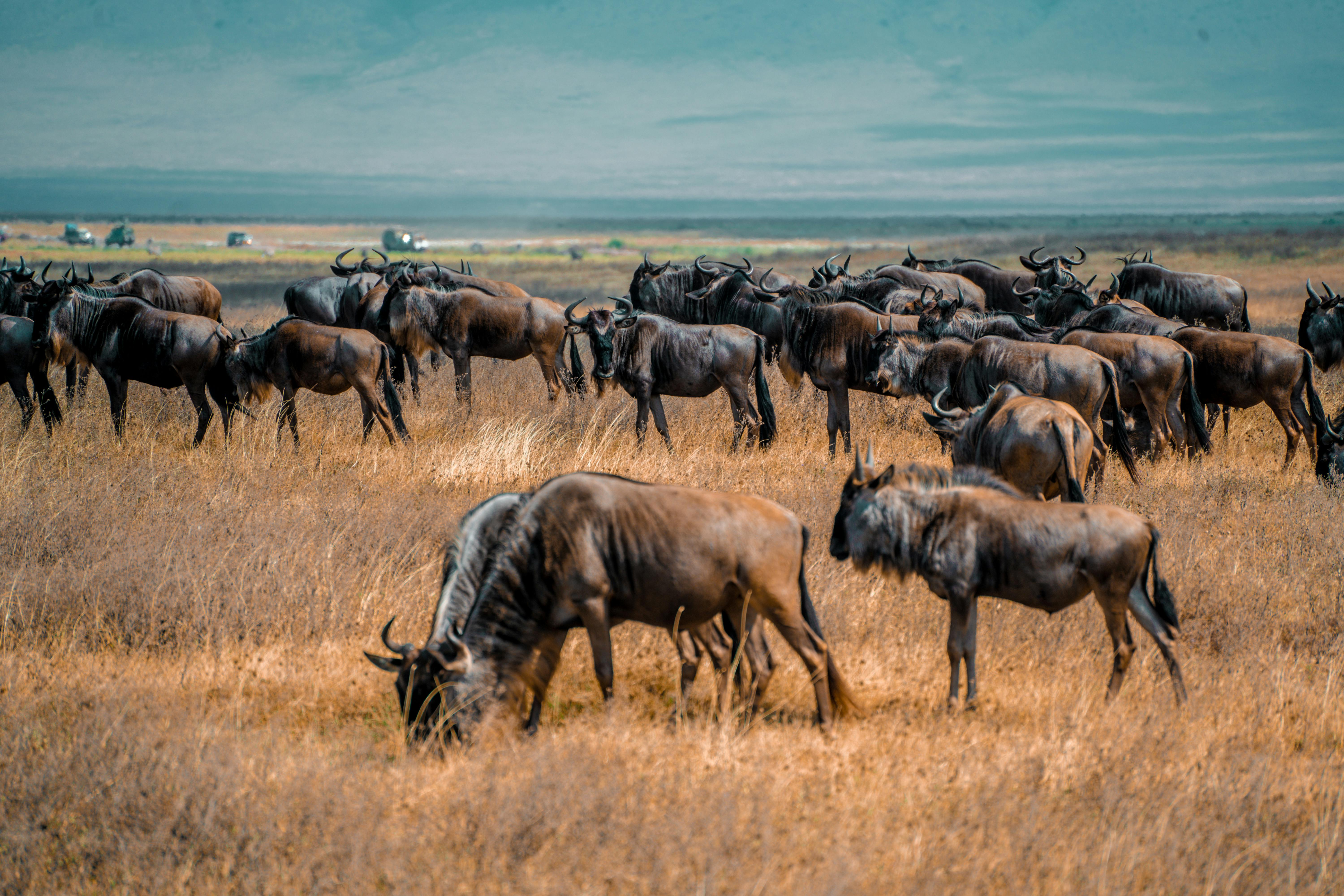
The Great Wildebeest Migration is widely regarded as the greatest wildlife spectacle on Earth — a continuous circular journey of over 1.5 million wildebeest, 250,000 zebra, and 500,000 Thomson's gazelle across the Serengeti ecosystem in Tanzania and Kenya's Masai Mara. Driven purely by the search for fresh grass and water, these animals follow a clockwise circuit that has been repeated for millions of years.
Unlike what many travellers believe, the Great Migration is not a single event — it is a continuous, year-round movement of enormous herds across one of Africa's most spectacular landscapes. Understanding when and where the migration is at each time of year is the key to planning an unforgettable Tanzania safari.
"There is no more thrilling moment in wildlife than standing at the banks of the Mara River as 10,000 wildebeest surge through the crocodile-infested waters." — Beryx Travel Guide

The Migration Calendar: Month by Month
January–March: Calving Season (Southern Serengeti)
The migration begins the year in the short-grass plains of the Southern Serengeti around Ndutu, where the wildebeest give birth to approximately 500,000 calves in a concentrated burst of just 2–3 weeks. This "predator feast" is one of the most dramatic wildlife events in Africa — lions, cheetahs, leopards, hyenas, and wild dogs all converge on the calving grounds to take advantage of the vulnerable newborns.
Despite the carnage, wildebeest calves are extraordinary survivors — they can stand within minutes of birth and run with the herd within hours. The sheer volume of births overwhelms predators and ensures the species' survival. February is the peak of calving, offering the most dramatic predator-prey interactions.
April–May: Moving North (Central Serengeti)
As the rains follow the herds north, the wildebeest begin their movement through the Central Serengeti. The landscape is lush and green, and while game viewing is excellent, this is also the long rains season — some tracks become muddy, and a few camps close. The reward is a truly uncrowded, exclusive experience.
June–July: Western Corridor & Grumeti River Crossings
By June, the herds have reached the Western Corridor of the Serengeti. The first dramatic river crossings of the year begin at the Grumeti River, where enormous Nile crocodiles have been waiting for months. These crossings, while less famous than the Mara River crossings, are equally dramatic.
July sees the migration push northward toward the Northern Serengeti, with the first groups beginning to approach the Mara River. The mood is electric — huge herds massing on the river banks, building up courage before the terrifying crossing.
July–October: Mara River Crossings (Northern Serengeti)
This is the moment millions of safari-goers dream about — the iconic Mara River crossings. From July through October, the migration herds mass on the southern banks of the Mara River, working up the courage to cross into Kenya and back. These crossings are completely unpredictable — herds may surge across multiple times per day, or stand nervously at the water's edge for hours before retreating.
During a crossing, the chaos is extraordinary: thousands of wildebeest and zebra plunge down the steep riverbanks, filling the water with a churning mass of bodies, while enormous Nile crocodiles — some over 5 metres long — surge through the crowd. The noise, dust, and primal energy of a major crossing is an experience that stays with you forever.
Best locations for river crossings:
- Lamai Wedge (Northern Serengeti): The best Tanzania-side viewing area for the Mara River crossings
- Kogatende Area: Multiple established crossing points monitored by experienced guides
- Kenya's Masai Mara: Can be included in extended safaris for additional crossing viewpoints
November–December: Return South
As the short rains arrive in November, the migration begins its return journey south, moving back through the central and southern Serengeti. This is a quieter, less-visited part of the migration cycle but offers excellent open-plains wildlife viewing with dramatically fewer tourists and beautiful photographic conditions.
The Mara River Crossings: What to Expect
The Mara River crossings are unpredictable by nature — no guide, however experienced, can guarantee you'll see a crossing on a specific day. However, there are some key facts that maximise your chances:
- Crossings are most frequent: August and September, when the largest concentrations of wildebeest are in the Northern Serengeti
- Best time of day: Crossings can happen at any time, but mornings and late afternoons are most common
- Duration: A single crossing event typically lasts 20–40 minutes, though large crossings can extend for hours
- Triggering a crossing: A single brave individual often initiates a crossing — once one wildebeest commits, the herd follows in a chaotic surge

Essential Tips for a Great Migration Safari
Book Early — Very Early
Peak season migration camps in the Northern Serengeti (July–October) book out 12–18 months in advance. The best riverfront camps that position you perfectly for crossings have extremely limited capacity. Contact Beryx Travel well in advance to secure your preferred dates and camp.
Stay at Least 3 Nights in the Northern Serengeti
The crossings are unpredictable. Three nights at a Northern Serengeti camp gives you six game drives and dramatically improves your chances of witnessing a crossing. One or two nights is too short — many guests who stay just a single night miss the crossings entirely.
Travel With an Experienced Guide
Understanding wildebeest behaviour — reading the signs that a crossing is imminent — takes years of experience. A skilled Beryx Travel guide knows where the herds have been, which crossing points are most active, and how to position your vehicle for the best viewing.
Bring a Good Camera
A Mara River crossing is one of the most photographically rewarding wildlife events on Earth. A telephoto lens (300mm+) is ideal for capturing the drama, while a wide-angle lens conveys the extraordinary scale of the herds.
The Best Great Migration Safari Packages
Beryx Travel offers several carefully designed safaris that put you in the right place at the right time to witness the Great Migration. Our most popular migration safari combines the extraordinary Lake Natron flamingo experience with the spectacular Mara River crossings in the Northern Serengeti, finishing with the iconic Ngorongoro Crater and Tarangire.
For the calving season experience, our 6-Day Great Migration Calving & Cultural Classic Safari positions you perfectly in the Southern Serengeti's Ndutu area during the peak January–February calving months.

