
Tanzania's Best Safari Seasons at a Glance
Tanzania is one of Africa's most rewarding safari destinations year-round, but the timing of your visit makes an enormous difference to what you'll experience. Whether you want to witness the spectacular Great Migration river crossings, photograph newborn wildebeest calves, or simply enjoy uncrowded game drives with lower prices — there's a perfect Tanzania safari season for every type of traveller.
Tanzania's Northern Circuit is open 365 days a year. But the difference between visiting in July versus April is dramatic — different wildlife events, weather, crowd levels, and prices.
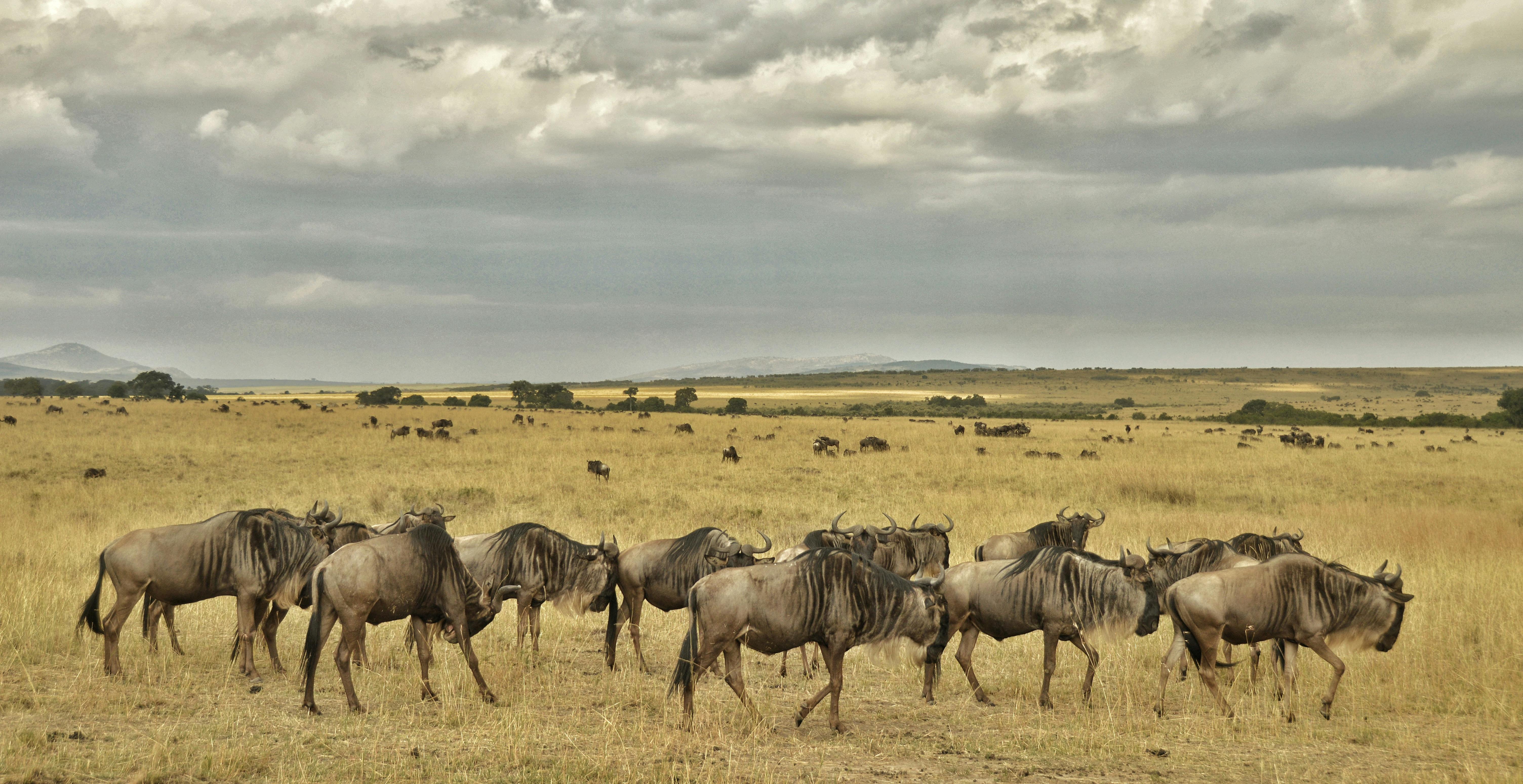
Tanzania Safari Seasons Overview
Tanzania has two main climate seasons that define safari experiences:
- Dry Season (June–October): The classic peak safari season. Minimal rainfall, vegetation thins out making wildlife easy to spot, and animals congregate around permanent water sources. This is also when the iconic Mara River crossings happen.
- Wet Season (November–May): Split into short rains (November–December) and long rains (March–May), with a dry interlude (January–February). The wet season brings lush green landscapes, excellent birding, calving season spectacle, and significantly lower prices.
Month-by-Month Tanzania Safari Guide
January & February — Calving Season
Overall rating: ★★★★☆
January and February are among the most dramatic months for wildlife viewing in Tanzania's Southern Serengeti. The famous wildebeest calving season occurs here, with up to 500,000 calves born within a few weeks — one of nature's most extraordinary spectacles. Predator activity is intense as lions, cheetahs, hyenas, and wild dogs take advantage of the vulnerable newborns.
- ✅ Wildebeest calving — hundreds of thousands of calves born simultaneously
- ✅ Extraordinary predator action — lions, cheetahs, wild dogs hunting daily
- ✅ Good road conditions — brief dry spell between the two rain seasons
- ✅ Less crowded than peak July–October season
- ⚠️ Some afternoon showers possible
Where to go: Southern Serengeti (Ndutu area), Ngorongoro Crater, Tarangire
March, April & May — Long Rains (Green Season)
Overall rating: ★★★☆☆
The long rains transform Tanzania into a lush green paradise. While some lodges close and certain roads become challenging, the rewards for adventurous travellers are significant: spectacular landscapes for photography, dramatically reduced prices (30–50% lower), and exceptional birdlife as migrant species arrive from Europe and Asia.
- ✅ Lowest prices of the year (30–50% off peak rates)
- ✅ Lush, photogenic landscapes — spectacular green scenery
- ✅ Outstanding birding — over 500 species including rare migrants
- ✅ Very few other tourists — private, exclusive experience
- ⚠️ Some roads muddy or impassable — 4WD essential
- ⚠️ Some smaller camps close
June & July — Start of the Dry Season
Overall rating: ★★★★★
June marks the beginning of Tanzania's magical dry season. As vegetation thins and water sources dry up, wildlife concentrates around rivers and waterholes, making game viewing increasingly spectacular. By July, the first dramatic Mara River crossings begin as the wildebeest migration pushes north into the Northern Serengeti.
- ✅ Excellent all-round wildlife viewing across the Northern Circuit
- ✅ Migration herds moving north — river crossings beginning
- ✅ Cool, comfortable temperatures for game drives
- ✅ Clear skies and excellent photography conditions
Where to go: Northern Serengeti (July), Central Serengeti, Ngorongoro Crater, Tarangire
August, September & October — Peak Season
Overall rating: ★★★★★
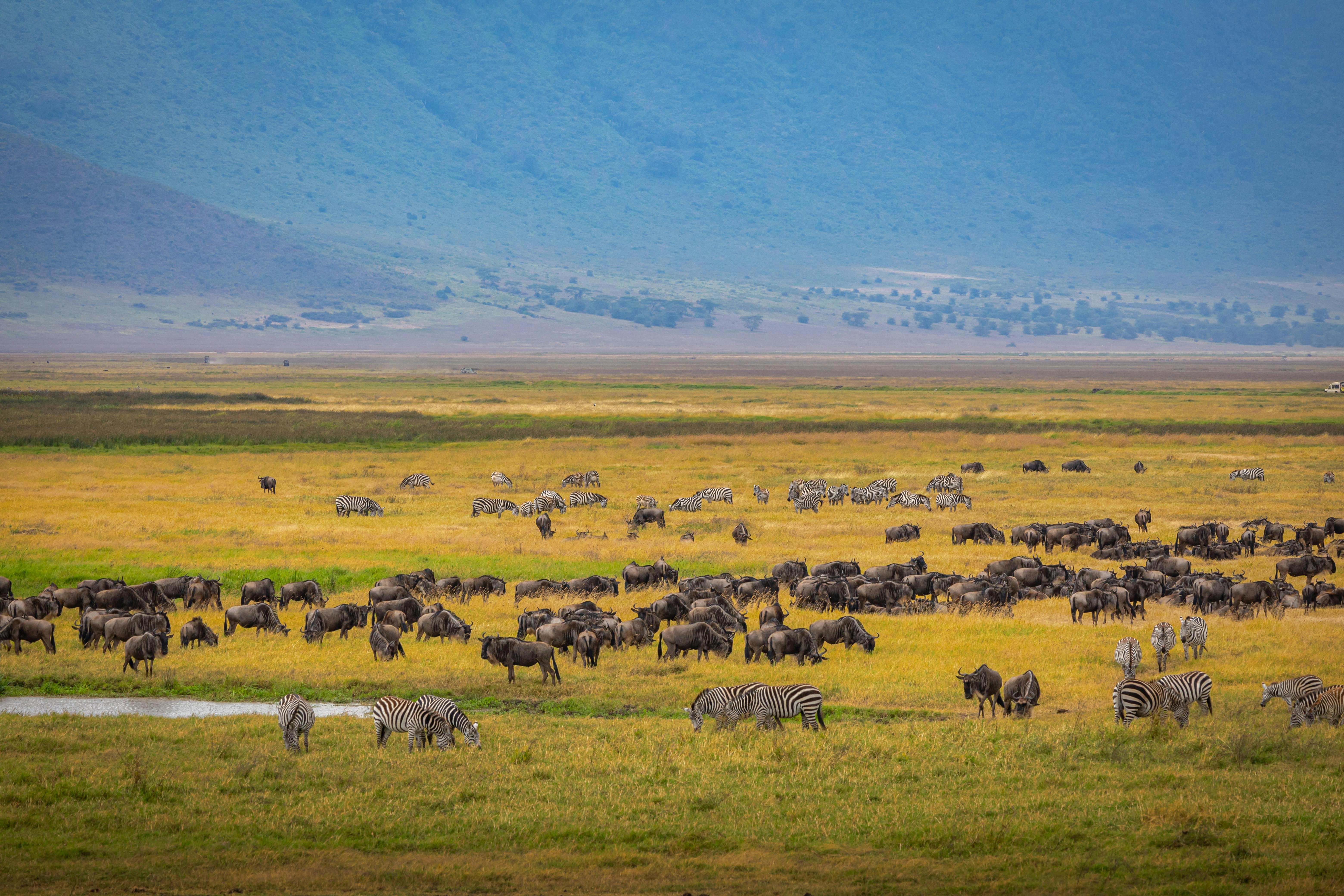
These three months represent Tanzania's ultimate safari season. The Mara River crossings are at their most frequent and dramatic — enormous herds of wildebeest and zebra plunge into the crocodile-filled Mara River in one of nature's most thrilling spectacles. This is also the best time for big cat sightings, with lions, leopards, and cheetahs all highly active.
- ✅ Most spectacular Mara River crossings — multiple per day
- ✅ Peak wildlife concentrations in the Northern Serengeti
- ✅ Excellent predator activity — big cats very active
- ✅ Perfect weather — dry, clear, cool mornings
- ⚠️ Peak season prices and booking requirements (book 6–12 months ahead)
- ⚠️ More tourists, especially in the Mara triangle area
November & December — Short Rains
Overall rating: ★★★★☆
The short rains bring brief afternoon showers to Tanzania, but rarely disrupt morning game drives. The landscape greens up beautifully, creating magnificent backdrops for wildlife photography. Baby animals appear throughout the parks as impala, Thomson's gazelle, and other species give birth. Flamingo numbers peak at Lake Natron and Lake Manyara.
- ✅ Beautiful green landscapes — ideal for photography
- ✅ Baby animals and newborns throughout the parks
- ✅ Flamingos at peak numbers at Lake Natron
- ✅ Lower prices and fewer tourists than peak season
- ⚠️ Brief afternoon showers (rarely all-day rain)
Best Time for Specific Tanzania Experiences
Great Migration River Crossings
Best time: July–October — The Mara River crossings occur when the wildebeest migration reaches the Northern Serengeti and begins crossing into Kenya's Masai Mara. The crossings are unpredictable — herds may cross multiple times per day, or wait nervously at the bank for hours before retreating. This unpredictability makes them all the more thrilling.
Calving Season
Best time: January–February — The Southern Serengeti and Ndutu area witness one of nature's most explosive wildlife events: up to 500,000 wildebeest calves born within a 3-week window. Predator sightings are extraordinary during this period.
Big Cat Safari
Best time: June–September — The dry season concentrates wildlife and makes big cats highly visible. The Ngorongoro Crater offers lion sightings year-round, while the Serengeti's cheetah population is most visible when the grasslands are shorter.
Kilimanjaro Trekking
Best time: January–February and June–October — The two dry periods offer the clearest summit conditions and best views. January–February tends to have less wind, while July–September is the most popular period.
Zanzibar Beach Holiday
Best time: June–October and December–February — Zanzibar's beach holiday season matches Tanzania's dry season. July–September offers warm, dry conditions ideal for snorkelling, diving, and beach relaxation.
Our Expert Recommendation
For the best all-round Tanzania safari experience, we recommend visiting between late June and early October. This period offers spectacular wildlife viewing throughout the Northern Circuit, the iconic Great Migration river crossings, ideal weather conditions, and the full breadth of Tanzania's safari experiences in a single trip.
For those on a budget or seeking a more exclusive experience with fewer tourists, the November–December short rains or January–February calving season offer exceptional value and unique wildlife experiences.
Contact our Tanzania safari experts at info@beryxtravel.com or WhatsApp us to plan your perfect Tanzania safari timing based on your interests and travel dates.

