
Northern Tanzania
Tanzania
Olduvai Gorge
The Cradle of Mankind — 1.8 Million Years of Human Evolution in One Gorge
Language
The Cradle of Mankind — 1.8 Million Years of Human Evolution in One Gorge
Olduvai Gorge — sometimes called the Cradle of Mankind — is one of the most important paleoanthropological sites on Earth. Cut into the eastern Serengeti plains, this 48km long ravine has yielded fossil remains spanning nearly 2 million years of human evolution, including the discovery of Homo habilis by Louis and Mary Leakey in 1959.
The on-site museum displays original fossil casts, tools, and explanations of the excavation findings. A visit to Olduvai is usually combined with the Ngorongoro Crater or Serengeti and takes 1–2 hours. Maasai guides lead short walks to viewpoints over the gorge, making it a powerful cultural and scientific experience.
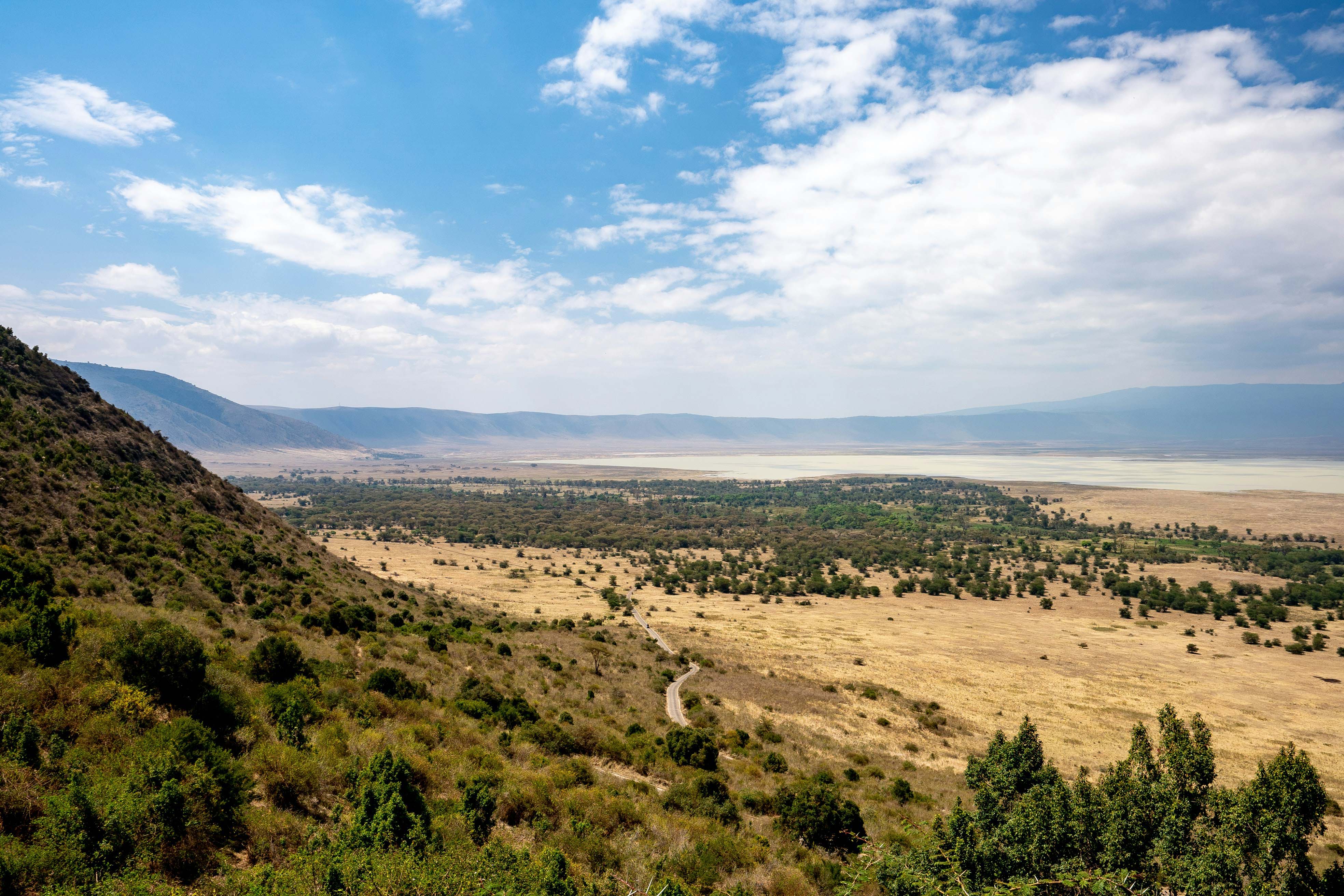
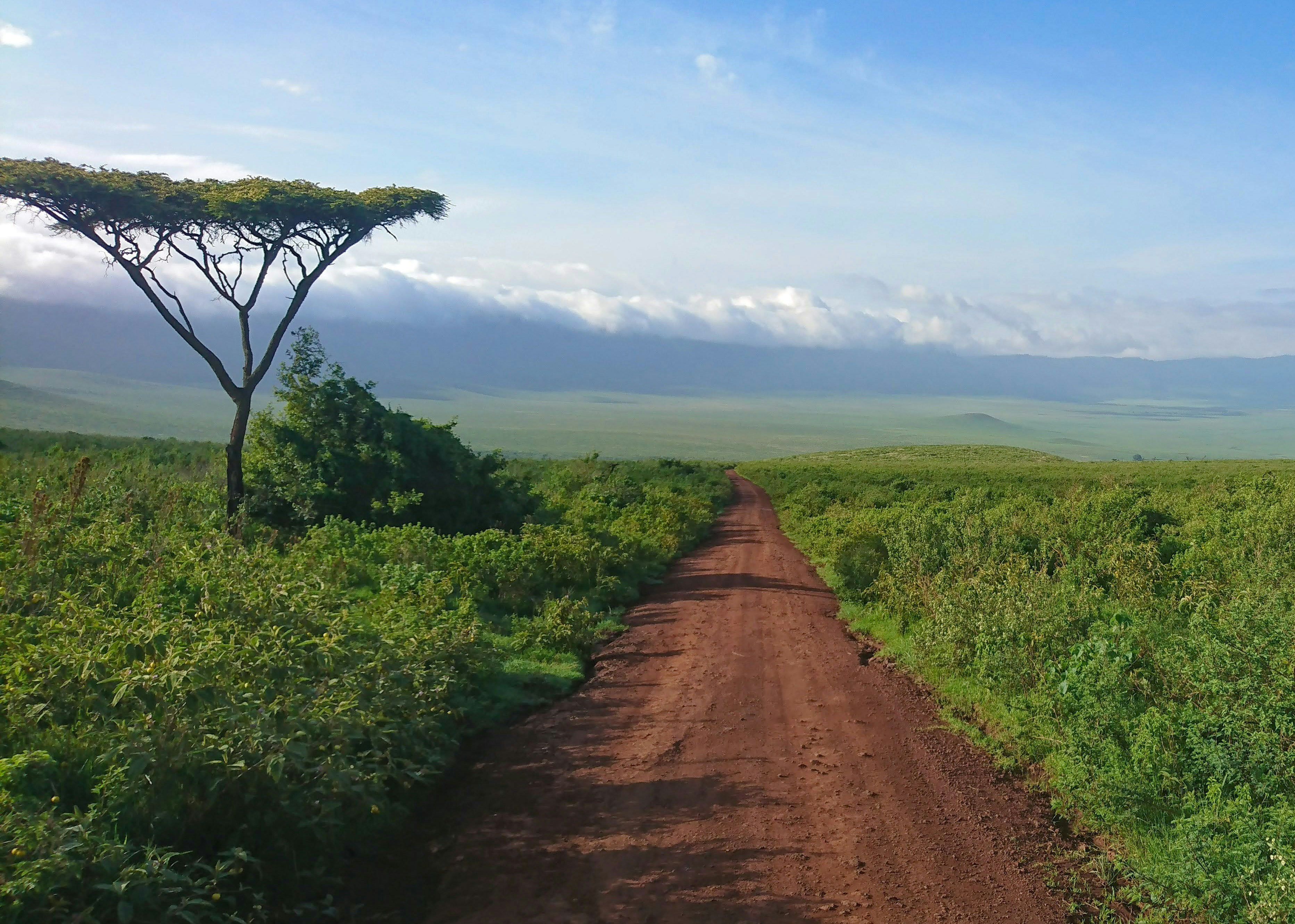
From iconic wildlife encounters to unforgettable cultural experiences.
1.8 million years of human evolutionary history
Skull & bone collections from Leakey excavations
Black-backed jackals roaming the gorge
Ruppell's griffon vultures soaring overhead
Roaming the nearby Serengeti plains
Dramatic Rift Valley scenery surrounding the gorge
Click any image to view full-screen.
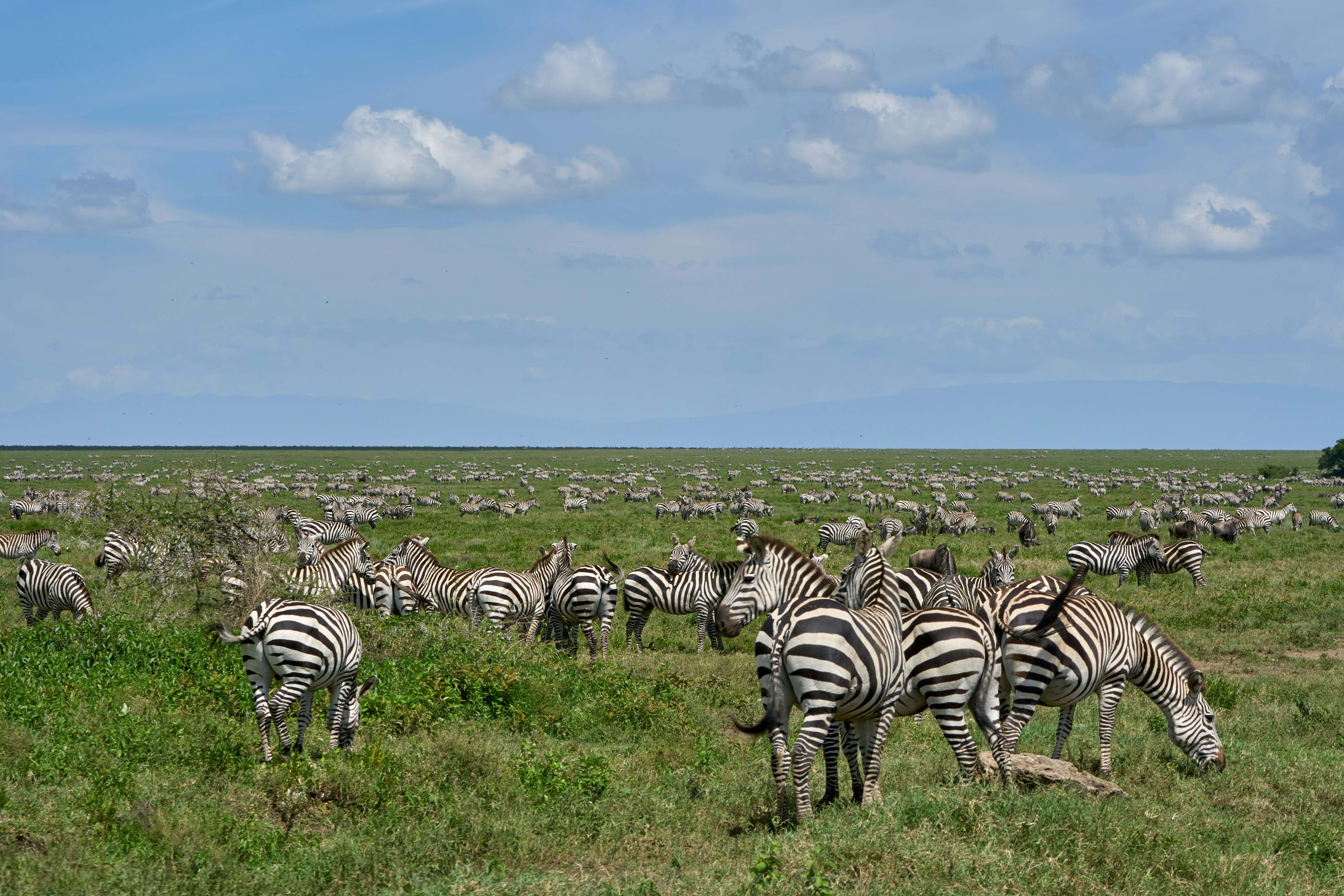
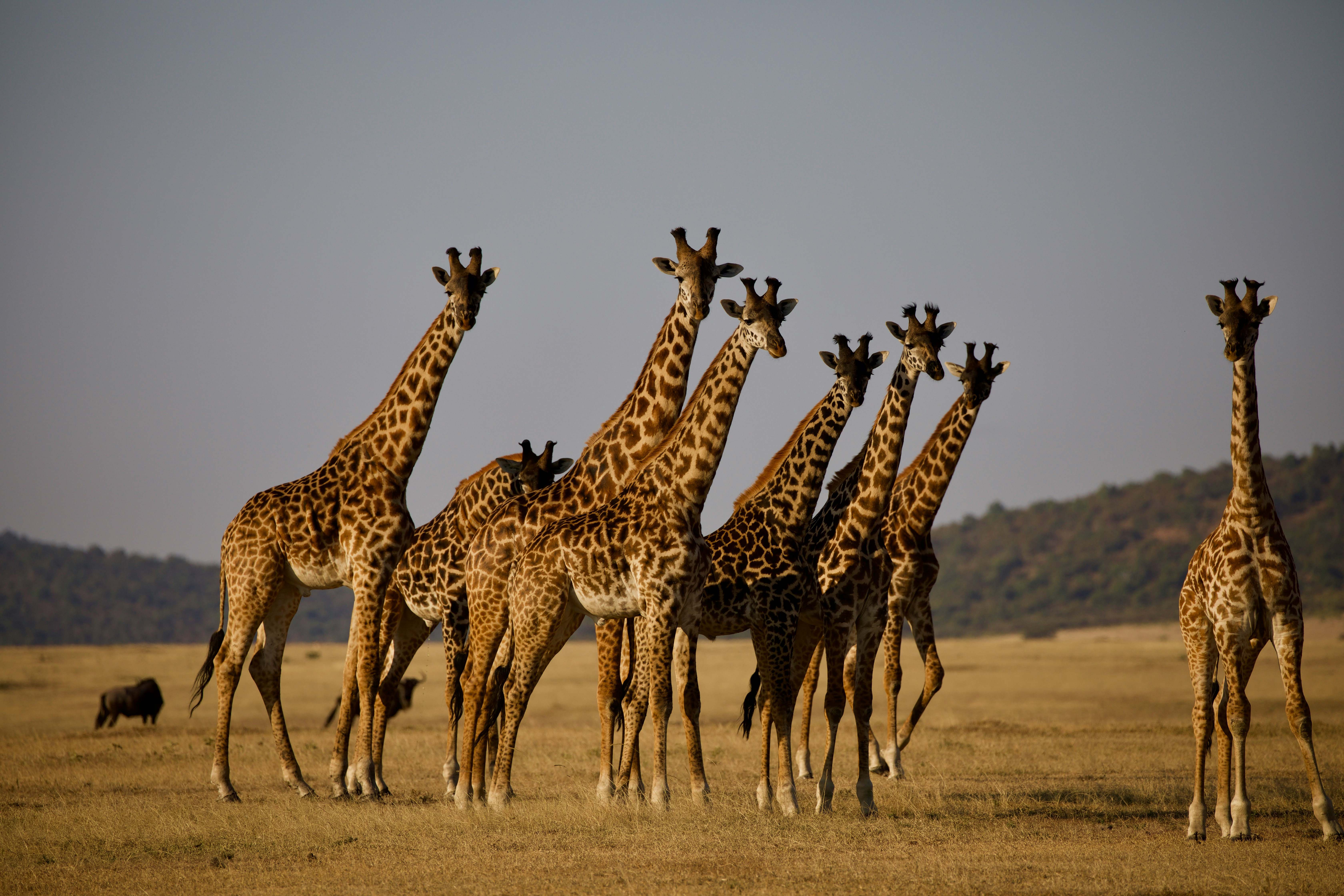
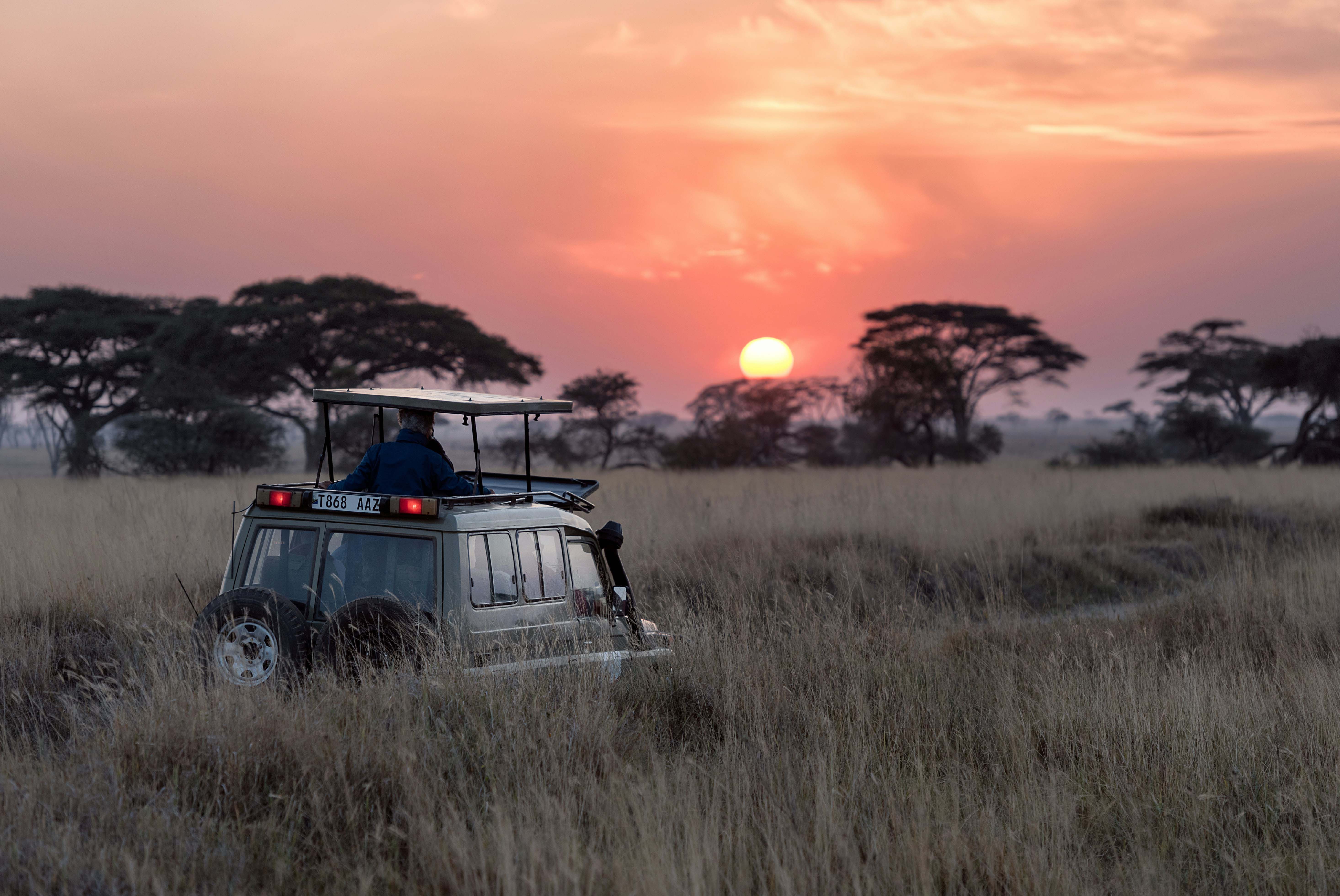
The right time to visit depends on what you want to see. Here's your seasonal guide.
Year-round. Best visited as a half-day stop en route between Ngorongoro and the Serengeti. Dry season (Jun–Oct) offers the most comfortable access though the gorge is open 365 days.
Fill in your details and our experts will contact you within 24 hours.